U.S.-Pakistan Relations Under The Current Administration
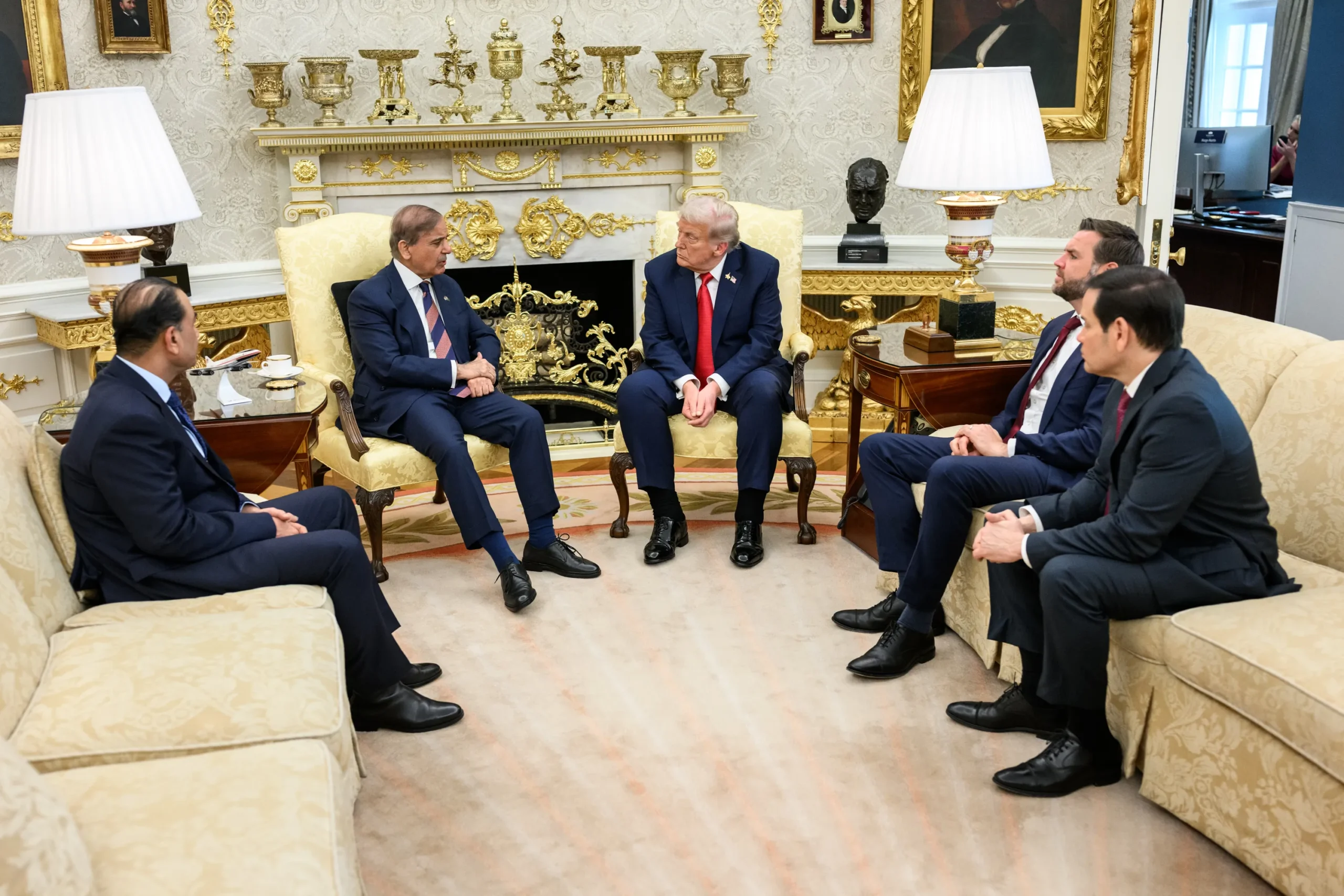
The U.S.-Pakistan partnership is experiencing a notable upswing, marked by high-level diplomatic visits and tangible agreements. This renewed engagement signals a strategic shift in Washington, which now views Pakistan as a pivotal partner for regional stability, economic security, and broader geopolitical strategy.
Key Indicators Of The Improved Relationship
High-Level Military and Political Engagement
The most striking element of the current tenor is the frequency and symbolism of high-level meetings:
White House Visits: Both the Pakistani Prime Minister, Shehbaz Sharif, and the Chief of Army Staff, General Asim Munir, have visited Washington, D.C.
“Favorite” Field Marshal: President Trump publicly referred to General Munir as his “favorite field marshal,” underscoring the trust and cooperation Washington is placing in Pakistan’s military establishment for regional security objectives.
Revived Dialogue: The U.S.-Pakistan Counterterrorism Dialogue has been revived, demonstrating a mutual commitment to addressing shared threats, particularly from groups operating in the region.
Trade, Investment, and Economic Concessions
The focus has shifted strongly toward economics, trade, and tapping into Pakistan’s market potential.
Tariff Reduction: The U.S. has lowered the import tariff rate on Pakistani goods, signaling a concrete move to boost bilateral trade and strengthen Pakistan’s access to the U.S. market.
Critical Minerals and Hydrocarbons: New accords have been signed to develop Pakistan’s reserves in critical minerals and hydrocarbons. These agreements afford the U.S. a stronger economic and energy foothold in the region.
Oil Reserve Development: The administration has announced an agreement for the joint development of Pakistan’s oil reserves, positioning the U.S. as a key partner in Pakistan’s energy security.
Strategic Peace and Mediation Role
Pakistan has been brought into broader U.S. peace initiatives, elevating its diplomatic relevance beyond South Asia.
Regional Peacemaker: Pakistan has praised President Trump’s efforts in mediating regional tensions (including a temporary ceasefire between India and Pakistan in May 2025), and key Pakistani officials have publicly endorsed his nomination for the Nobel Peace Prize.
“Vital Bridge”: U.S. officials and analysts are increasingly describing Pakistan as a “vital bridge between the Western and Islamic Worlds,” particularly highlighted by its role in supporting the new peace plan for Gaza.
While the current relations are excellent, experts characterize the connection as transactional. This means the engagement is primarily driven by mutual strategic utility rather than shared values:
U.S. Goal
To secure a reliable partner for counterterrorism, develop new supply chains,
and gain a strategic foothold in a region increasingly influenced by China.
Pakistan's Goal
To secure economic investment, gain diplomatic leverage, and move
past its dependence on a purely security-focused relationship.